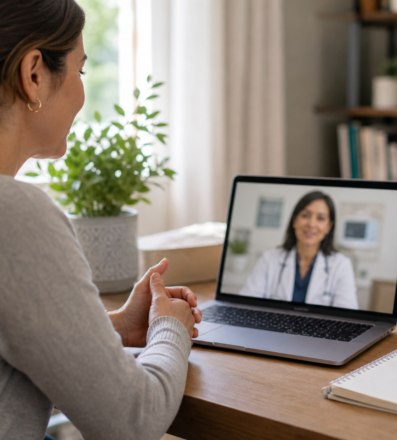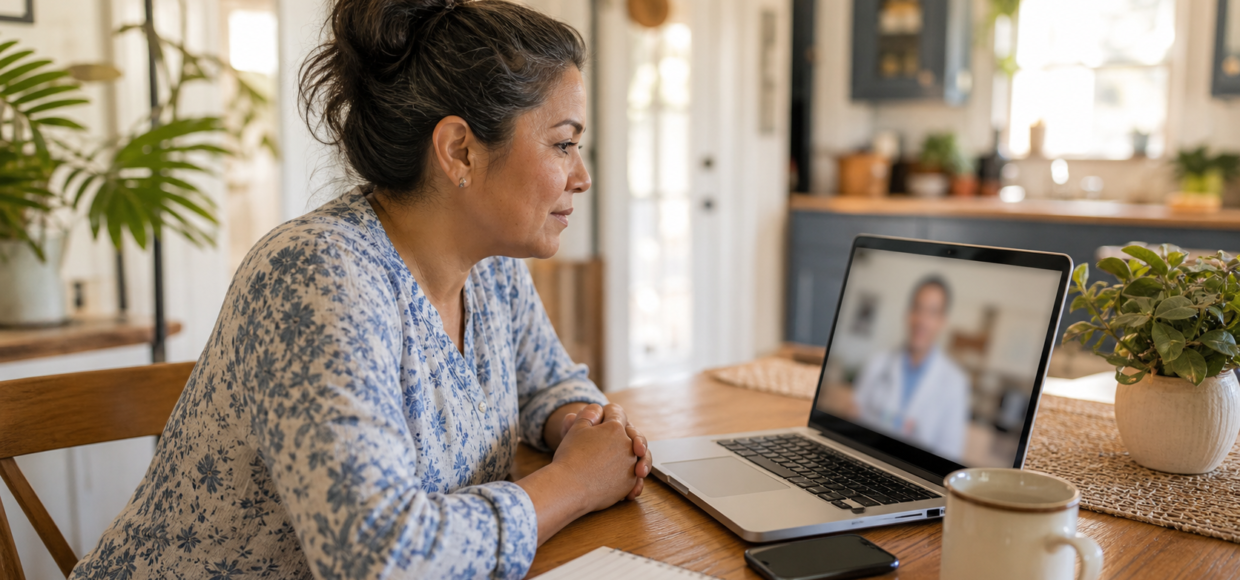
Telehealth has made it easier for many patients to talk with a clinician without traveling across town, arranging transportation, or taking extra time away from work or family. But telehealth is not the right fit for every health concern. Some situations are easier and safer to evaluate in person, especially when a physical exam, vital signs, testing, or hands-on care may be needed.
If you live in Pomona or a nearby community and are trying to decide which appointment type to request, this guide can help. It explains when a virtual visit may be convenient, when an in-person visit is usually better, and what to tell the clinic when you schedule. It is educational only and does not replace medical advice from your care team.
Start with the main reason for your visit
The best appointment type depends on what you need from the visit. If your main goal is conversation, education, medication questions, or follow-up planning, telehealth may work well. If your clinician needs to listen to your lungs, check your abdomen, examine a rash closely, collect a sample, or perform testing, an in-person visit is usually a better choice.
All American CHC offers both clinic-based care and telehealth care for appropriate needs. Patients can also review the broader services overview to see how different services fit together.
Health needs that may fit telehealth
A virtual visit may be helpful when the clinician can gather enough information through conversation, visual review, and your health history. Telehealth can be especially useful for established patients who need follow-up or guidance and do not have severe symptoms.
- Reviewing some lab results or medication questions
- Follow-up for stable chronic conditions when an exam is not needed
- Discussing anxiety, mood, stress, or sleep concerns
- Talking through birth control questions or some women’s health concerns
- Nutrition questions and general health planning
- Some non-urgent skin concerns when video quality is clear
- Questions about whether an in-person visit is needed
Telehealth can also be a good first step for patients who are unsure where to begin. For example, a patient may use telehealth to discuss whether symptoms sound like something that can wait for a scheduled clinic visit or should be evaluated sooner.
Health needs that are usually better in person
An in-person appointment is often the right choice when your care team may need to check vital signs, perform an exam, or order in-clinic services. It may also be better if your symptoms are changing quickly or if you are worried that something is getting worse.
- Chest pain, severe shortness of breath, fainting, severe allergic reactions, or symptoms that may be emergencies
- New or worsening abdominal pain, significant injury, or severe dehydration concerns
- Fever with concerning symptoms, especially in young children or medically higher-risk patients
- Rashes, wounds, ear pain, throat pain, or breathing symptoms that may need an exam
- Annual physicals, well-child visits, immunization planning, and many screenings
- Blood pressure checks, blood sugar checks, or other measurements that need clinic equipment
For life-threatening symptoms, call 911 or go to the nearest emergency department. For non-emergency concerns that need prompt attention, the clinic’s same-day care information can help you understand available options.
What makes telehealth easier for local patients?
Pomona-area patients may choose telehealth for many practical reasons. It can reduce travel time, make it easier to fit care around work or school, and help patients keep follow-up appointments that might otherwise be delayed. It may also help caregivers participate in a visit from different locations when appropriate.
Even with those benefits, privacy matters. Choose a quiet space if possible, use headphones if you need more privacy, and make sure your device is charged. If you need an interpreter or help with the technology, ask the clinic before the appointment so staff can explain what to expect.
How to prepare for a telehealth visit
A telehealth appointment works best when you prepare the same way you would for an in-person visit. Keep a medication list nearby, write down your symptoms and questions, and have your pharmacy information ready. If you have home measurements, such as blood pressure, temperature, weight, or blood sugar, write down the numbers and the dates they were taken.
If the visit is for a child, keep the child nearby for at least part of the visit. If the visit is about a rash or visible concern, use good lighting and be ready to describe when it started, whether it is spreading, and whether there are other symptoms.
How to prepare for an in-person visit
For clinic visits, bring a photo ID, insurance card if you have one, medication list, and any outside records. If you have questions about coverage, visit the insurance page or call before your appointment. If transportation or timing is a concern, ask about available appointment options.
In-person visits are also a good time to ask about preventive care. Your clinician may notice that you are due for a screening, annual checkup, or follow-up service. Patients can learn more about the clinic’s approach on the mission page.
A simple decision guide
If you are unsure, ask yourself three questions. First, do I need a physical exam or test today? Second, are my symptoms severe, worsening, or possibly urgent? Third, would pictures or video be enough for the clinician to understand the concern? If the answer points toward an exam, measurement, or urgent evaluation, request in-person care or emergency care as appropriate.
If your concern is mainly a conversation, a follow-up, or planning next steps, telehealth may be reasonable. The scheduling team can help you choose if you explain your symptoms clearly.
Schedule the appointment that fits your needs
All American CHC serves Pomona and nearby communities with both in-person and virtual care options when appropriate. To request care, visit the appointment page. For questions before booking, use the contact page or start from the homepage.
FAQ
Can new patients use telehealth?
It depends on the concern and clinic scheduling. Some needs may require an in-person first visit so the care team can gather a full history and perform an exam.
Can telehealth replace annual checkups?
Usually not completely. Annual checkups often include vital signs, exam findings, screenings, or immunization planning that may need an in-person visit.
What if my telehealth clinician says I need to come in?
That can happen. A virtual visit may identify that an exam or test is needed, and the clinic can help explain next steps.